Real Celebrities Never Die!
OR
Search For Past Celebrities Whose Birthday You Share
Died Age: 80
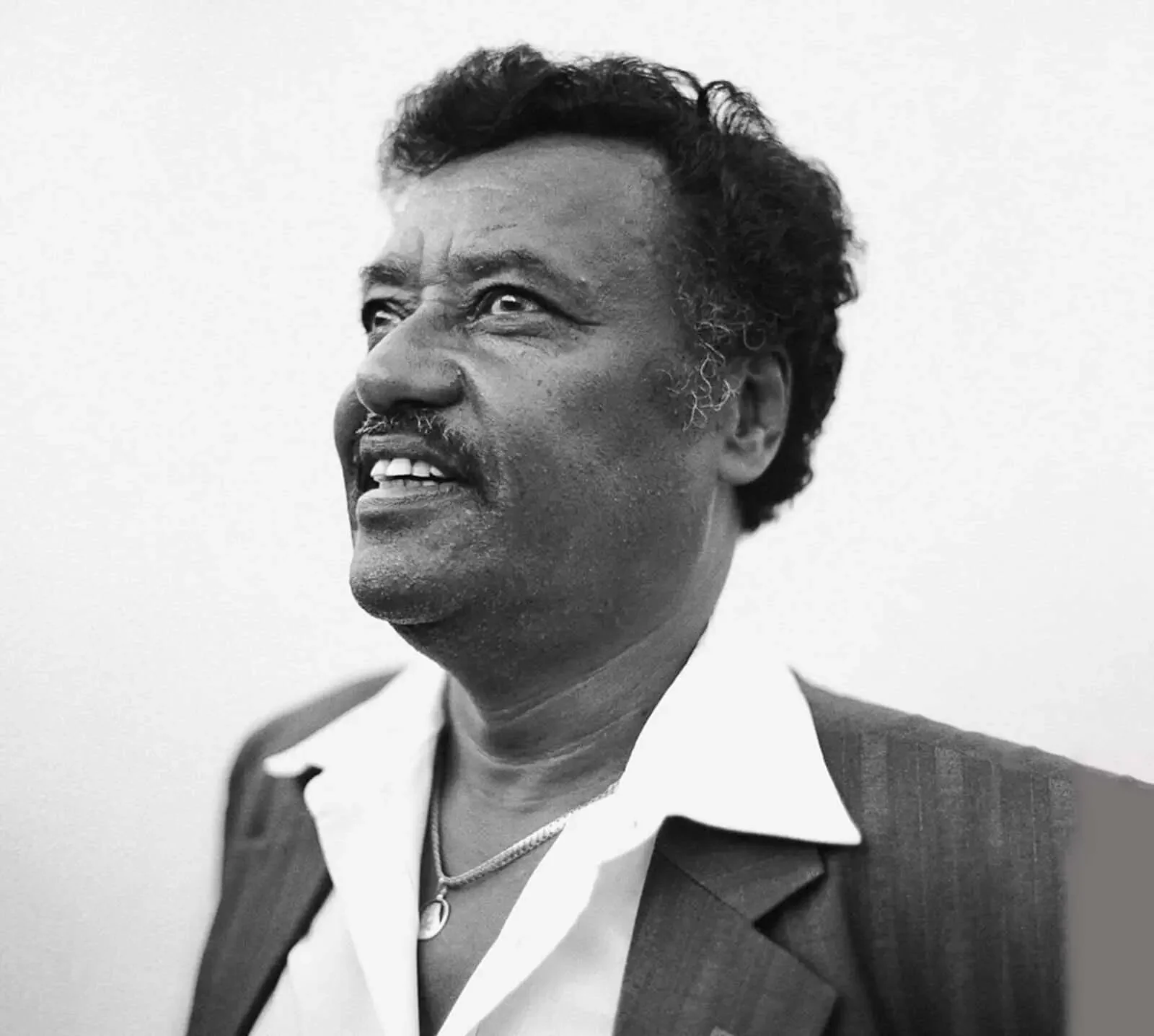
thehabesha.com
Alemayehu Eshete
Birthday:
31 May, 1941
Date of Death:
01 Sep, 2021
Cause of death:
Heart Disease
Nationality:
Ethiopian
Famous As:
Singer
Age at the time of death:
80
Alemayehu Eshete Andarge's Quote's

“Music is my life. It is how I breathe, how I speak to the world.”
Alemayehu Eshete Andarge
🔗 deadcelebrityhub.com
Roots in the Horn: Early Life
Alemayehu Eshete brought the pulse of Ethiopian soul to life, blending East African melodies with American jazz, funk, and rock. Dubbed the “Ethiopian Elvis” for his magnetic stage presence and swagger, Alemayehu’s legacy is not just in his songs but in the way he carved a new sound for a nation in transition.
Born on June 25, 1941, in Jimma, Ethiopia, Alemayehu Eshete’s childhood began in one of the country's culturally rich yet musically understated regions. His father was a soldier, and the family moved frequently, eventually settling in Addis Ababa. It was there that Alemayehu’s ears first caught the rhythm of American jazz and soul drifting through army radio stations and cafes that dotted the city’s changing skyline in the 1950s.
Music was not the default path in a conservative household, but Alemayehu’s spirit was irrepressible. As a teenager, he would sneak into local clubs and mimic the moves and sound of Western legends like James Brown, Elvis Presley, and Ray Charles, his idols. But he didn’t just imitate. He transformed.
One of his earliest turning points came when a music teacher at school noticed Alemayehu’s ear for harmony and his unique vocal range. It wasn’t long before he joined the Police Orchestra, a prestigious institution where many great Ethiopian musicians cut their teeth.
Education Through Music: The Classroom of the Police Orchestra
Though Alemayehu’s formal education was modest, the Police Orchestra functioned as a conservatory of sorts, introducing him to musical theory, disciplined performance, and an ever-expanding array of instruments. More importantly, it immersed him in a culture of experimentation.
This was the golden era of Ethio-jazz—an electrifying genre that fused traditional Ethiopian modes with funk, soul, and big band swing. Under the baton of bandleader Nerses Nalbandian, Alemayehu developed his stagecraft and deepened his understanding of composition. This period laid the foundation for what would become his signature sound: raw, raspy, and resolutely Ethiopian, yet unmistakably global.
The Meteoric Rise: Early Career and Breakthrough
By the 1960s, Addis Ababa was swinging, and Alemayehu Eshete was its sonic heartbeat. He began performing in local nightclubs, such as the Sombrino and Venus Club, mesmerising audiences with his energetic moves, silk suits, and show-stopping vocals. Unlike many of his contemporaries, Alemayehu wrote his own songs, which were often in Amharic, and fearlessly introduced foreign elements into traditional frameworks.
His early hits like “Tchero Adari Negn” and “Yeh Yeqolef Limedgu” became anthems, not just for dance floors but for a generation of young Ethiopians navigating modernity, political upheaval, and identity. He was a cultural bridge, his lyrics touching on love, freedom, and the bittersweet beauty of change.
Highs and Hardships: Challenges and Reinvention
The 1970s were a double-edged sword. Alemayehu had become a household name, but Ethiopia was undergoing radical political transformation. The rise of the Derg regime brought censorship and repression. Many musicians fled the country or stopped performing altogether. Alemayehu stayed—but not without consequence.
His style, often perceived as “Western,” clashed with the junta’s cultural purism. Some of his songs were banned, and live performances became rare. Yet even in silence, Alemayehu’s music resonated underground, passed on through bootlegs and whispered memories.
In the 1990s, a new chapter opened. European record collectors and musicologists discovered Alemayehu’s recordings and brought them to Western audiences through the celebrated Éthiopiques series. Suddenly, he was a global sensation. In his 60s, Alemayehu began touring Europe, playing to sold-out venues in Paris, Berlin, and London. He wasn’t just a retro act—he was living proof of how music transcends borders and time.
Personal Life
Despite his fame, Alemayehu Eshete was a humble man, often seen walking through the streets of Addis Ababa, chatting with fans or dropping by his favorite cafés. He was known for his impeccable style—shiny shoes, tailored jackets, and sunglasses that rarely left his face. He was also known for his generosity and wit.
He was a father and grandfather, deeply rooted in family, yet remained fiercely devoted to the next generation of Ethiopian artists. He mentored younger musicians and openly celebrated those who built upon his legacy rather than competing with them.
Trivia lovers often note that Alemayehu was ambidextrous—he could write with both hands, a talent he credited to childhood mischief and classroom boredom. He also reportedly once turned down an invitation to record in Nashville, not wanting to compromise the Ethiopian identity of his sound.
A Timeless Echo: Legacy and Impact
When Alemayehu Eshete passed away in September 2021, Ethiopia lost not just a voice but a cultural institution. His death marked the end of an era, but his music lives on in vinyl grooves, streaming playlists, and the hearts of fans across generations and continents.
He is remembered not just as the “Ethiopian Elvis,” but as a revolutionary artist who redefined what it meant to be Ethiopian in a changing world. His fusion of styles wasn’t imitation but innovation. He carved a place for Ethiopia on the world’s musical map and did so with defiance, elegance, and an unwavering belief in the power of art.
Profile Snapshot
Name:
Alemayehu Eshete Andarge
Popular Name:
Alemayehu Eshete
Gender:
Male
Cause of Death:
Heart Disease
Spouse:
Ayehu Kebede Desta
Place of Birth:
Ethiopia
Place of Death:
Addis Ababa, Ethiopia
Occupation / Profession:
Singer
Personality Type
Entertainer: Alemayehu Eshete was a magnetic performer whose zest for life, expressive artistry, and soulful charisma brought joy and movement to every room he entered.
Alemayehu Eshete Andarge's Interesting Facts
Alemayehu once taught himself to dance by watching Western music films played in Addis cinemas in the 1950s.
He had a deep passion for classic American cars and owned a beloved vintage Cadillac during his prime.
Despite being a musical icon, he never formally studied abroad. His training was entirely local and self-driven.
Achievements & Awards
Alemayehu Eshete was a pioneer of Ethiopian soul and a key figure in the golden age of Ethiopian music.
His songs were featured in the internationally acclaimed Éthiopiques series, which brought his music to global audiences and revived interest in Ethio-jazz.
He toured internationally in the 2000s, performing at major music festivals across Europe, and was honoured for his lifelong contribution to Ethiopian arts and culture.
His dynamic legacy earned him recognition as one of Ethiopia’s most influential cultural ambassadors.
Latest Profiles
People also viewed
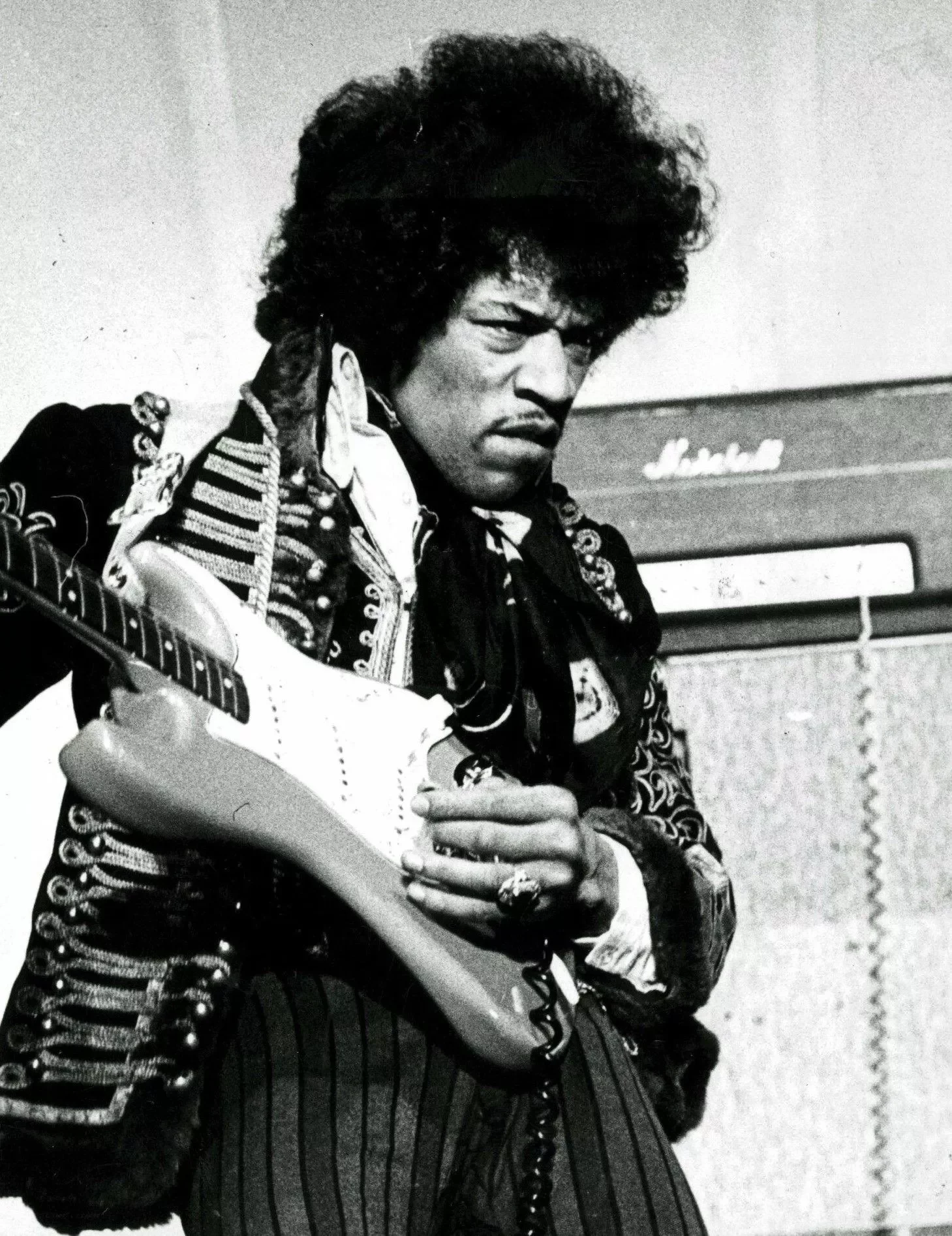
Jimi Hendrix
Born27 Nov, 1942
Died18 Sep, 1970
NationalityAmerican
Age at time of death27

Jesse Powell
Born12 Sep, 1971
Died13 Sep, 2022
NationalityAmerican
Age at time of death51
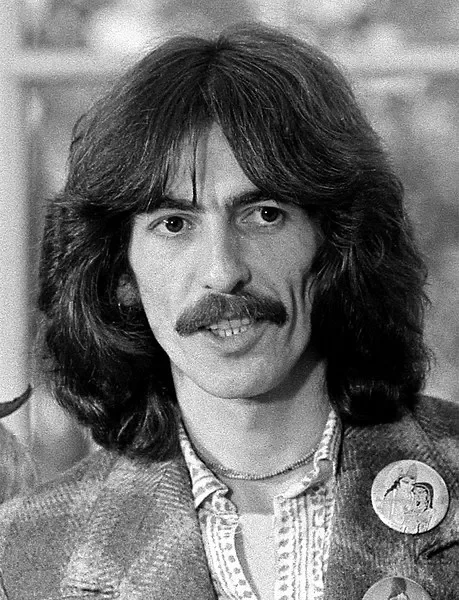
George Harrison
Born25 Feb, 1943
Died29 Nov, 2001
NationalityBritish
Age at time of death58
Tony Bennett
Born03 Aug, 1926
Died21 Jul, 2023
NationalityAmerican
Age at time of death96
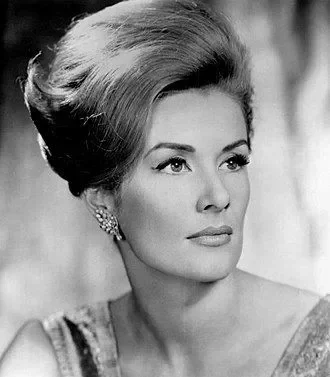
Sally Ann Howes
Born20 Jul, 1930
Died19 Dec, 2021
NationalityBritish, American
Age at time of death91
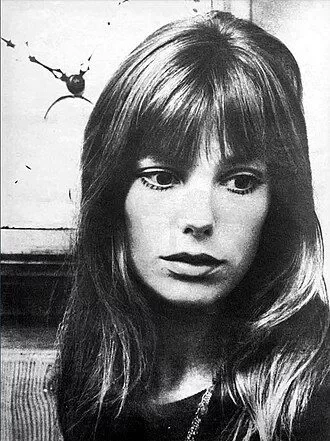
Jane Birkin
Born14 Dec, 1946
Died16 Jul, 2023
NationalityBritish, French
Age at time of death76

Chester Bennington
Born20 Mar, 1976
Died20 Jul, 2017
NationalityAmerican
Age at time of death41

Lupe Vélez
Born18 Jul, 1908
Died14 Dec, 1944
NationalityMexican
Age at time of death36
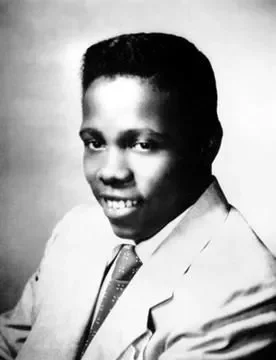
Johnny Ace
Born09 Jun, 1929
Died25 Dec, 1954
NationalityAmerican
Age at time of death25

Vera-Ellen
Born16 Feb, 1921
Died30 Aug, 1981
NationalityAmerican German
Age at time of death60

Olivia Newton-John
Born26 Sep, 1948
Died08 Aug, 2022
NationalityBritish, Australian
Age at time of death73
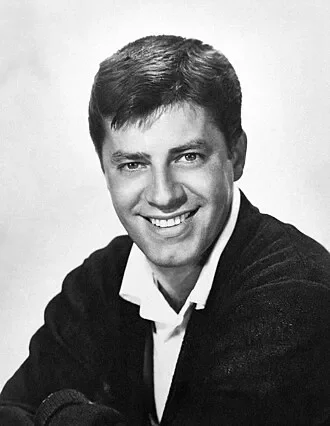
Jerry Lewis
Born16 Mar, 1926
Died20 Aug, 2017
NationalityAmerican
Age at time of death91
Cissy Houston
Born30 Sep, 1933
Died07 Oct, 2024
NationalityAmerican
Age at time of death91

Mary Martin
Born01 Dec, 1913
Died03 Nov, 1990
NationalityAmerican
Age at time of death76
Jim Morrison
Born08 Dec, 1943
Died03 Jul, 1971
NationalityAmerican
Age at time of death27

Christopher Lee
Born27 May, 1922
Died07 Jun, 2015
NationalityBritish
Age at time of death93

Biz Markie
Born08 Apr, 1964
Died16 Jul, 2021
NationalityAmerican
Age at time of death57
Billie Holiday
Born07 Apr, 1915
Died17 Jul, 1959
NationalityAmerican
Age at time of death44
Barry White
Born12 Sep, 1944
Died04 Jul, 2003
NationalityAmerican
Age at time of death58
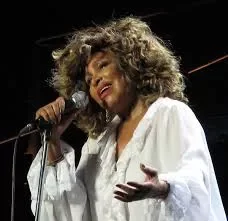
Tina Turner
Born26 Nov, 1939
Died24 May, 2023
NationalityAfrican, American
Age at time of death83